

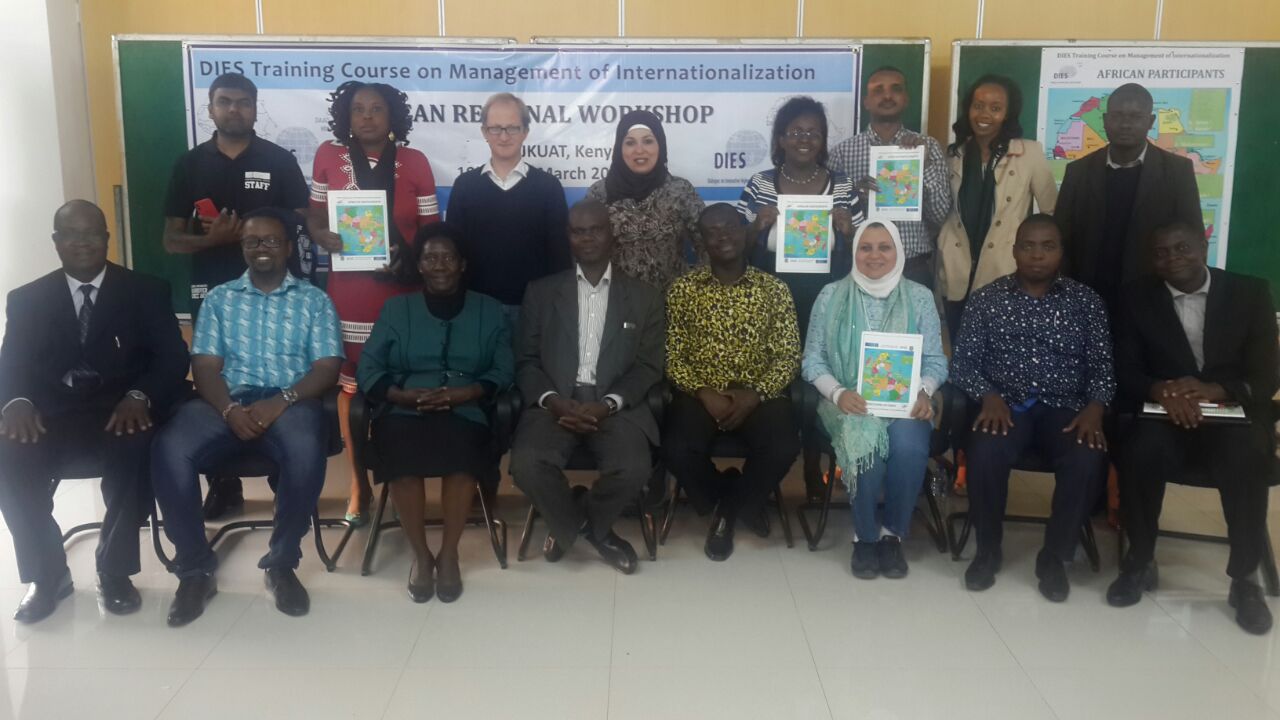
 Globalization has stimulated movement towards Internationalisation of Higher Education. This is a pet topic and passion of the MMUST Scholar, Professor Elizabeth Abenga, an expert in Curriculum and Instructional Technology, Internationalisation, and founding Director of International Relations and Academic Linkages at MMUST. Internationalisation of higher education is gaining importance in the operations of all university functions.
MMUST on the Road to Internationalisation
Globalization has stimulated movement towards Internationalisation of Higher Education. This is a pet topic and passion of the MMUST Scholar, Professor Elizabeth Abenga, an expert in Curriculum and Instructional Technology, Internationalisation, and founding Director of International Relations and Academic Linkages at MMUST. Internationalisation of higher education is gaining importance in the operations of all university functions.
‘We commend the University’s development projects so far,’ Council
‘We commend the University’s development projects so far,’ Council
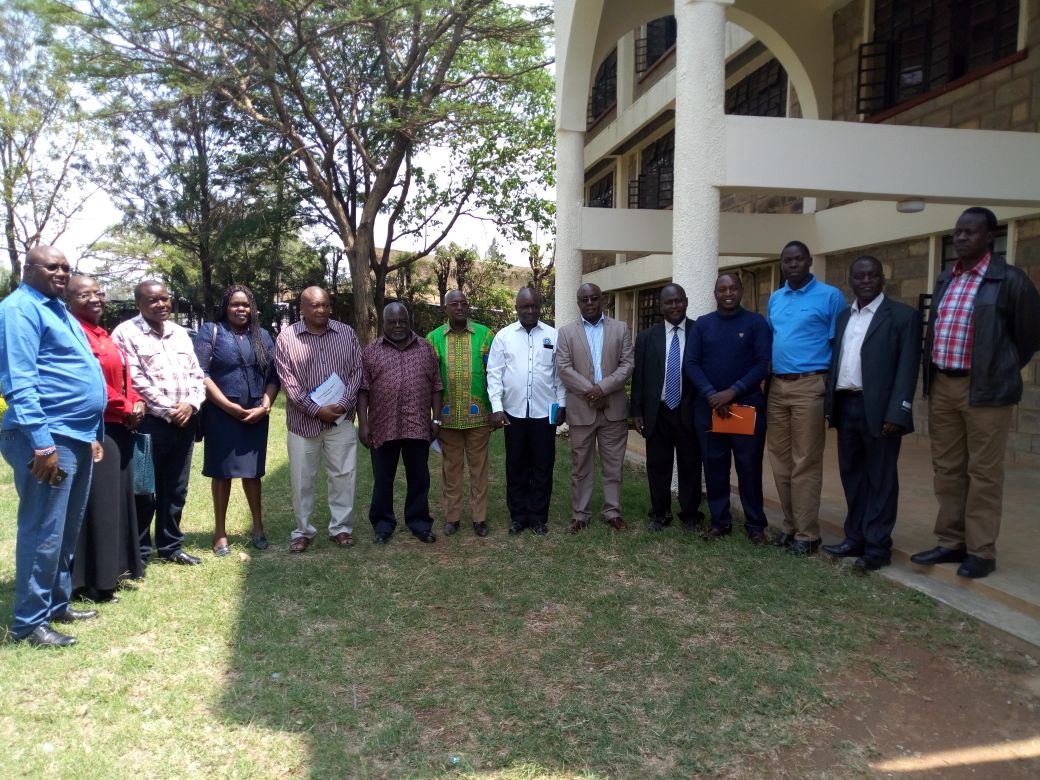
“MMUST is a rising academic and research giant that is actaulizing its potential”. This was the assertion by the University Council Chairman, Dr. Jeremy Bundi, during excursions to MMUST development projects in Busia, Bungoma and Vihiga counties, between 17th and 18th March 2018. Dr. Bundi noted that MMUST has invested a lot of resources towards bringing higher education and research closer to the people.
While at Ebunangwe in Vihiga County, Dr. Bundi commended the model farm project and observed on the need to upscaling food processing activities and marketing. Currently, MMUST through innovations of the Nutritional Scientist Prof. Asenath Sigot produces certified MMUSTMUG Porridge from mushroom, sweetpotato and millet; and MMUSTMUG Spirulina capsules. In Budalang’i, Dr. Bundi said of the campus facility, “This is wonderful infrastructure and lays a foundation for the upcoming MMUST campus.”
Budalang’i Campus was established through funds from the World Bank and the Ministry of Devolution and Planning through the Directorate of Special Programmes, with concerted support from local leadership through Community Development Fund (CDF), scholars and well wishers from the community. This MMUST-World Bank project was an initiative of the School of Disaster Management & Humanitarian Assistance (SDMHA) under the leadership of Prof. Silvery B. Oteng’i. The Campus sits on the land that was previously used as an evacuation centre for people displaced by floods from River Nzoia that pours into Lake Victoria.
At Butula Campus in Busia County, Dr. Bundi praised the large modern investment in the rural, driven by an ambitious and hardworking community yearning for higher education. The Deputy Governor H.E. Moses Mulomi who was present, committed to support higher education projects by MMUST, and move towards enhancing capacity for Technical and Vocational Education and Training (TVET) in Busia County. In a rejoinder, former Member of Parliament and distinguished scholar Prof. Christine Mango, who is among MMUST founders and is also a founder of the new Butula Campus said, “Only education gives us hope, but it is very expensive when people are subjected to study far away from home”. Partly for this reason, Prof Mango noted, a university campus is an industry that needs to be supported for socio-economic growth.
In Bungoma and Webuye campuses, Dr. Bundi appreciated the work of the University Management for the focused investment that had improved infrastucture and transformend the two campuses towards accreditation as modern academic facilities. He proposed the tailoring of entrepreneurial courses towards satisfying the needs of the local communities and markets. He emphasized the need for TVET programmes that are sources of innovation and wealth, citing M-PESA and VIUSASA apps as examples of creative products of Kenyan youth. He also said that extension of higher education and TVET programmes could help stem out societal vices such as alcoholism and drug abuse.
The Vice Chancellor Prof. Eng. Fredrick Otieno was optimistic that the progressive support by the Council has been steadily transforming MMUST as a global player. “Under my leadership, we expect to work hard and observe honesty in achieving sustainable growth of MMUST,” said Prof. Otieno. Other Members of MMUST Council present included Mr. Don R.O. Riaro, Dr. Samson Muchelule, Ms. Joyce M. Nderitu, Ms. Vayonda J. Sirma-Koross, Mr. Kosiom F. Kibelekenya, Ms. Dorothy Kimeu and Mr. David Watene.
\
The First Ever NMR Machine in Eastern and Central Africa is at MMUST
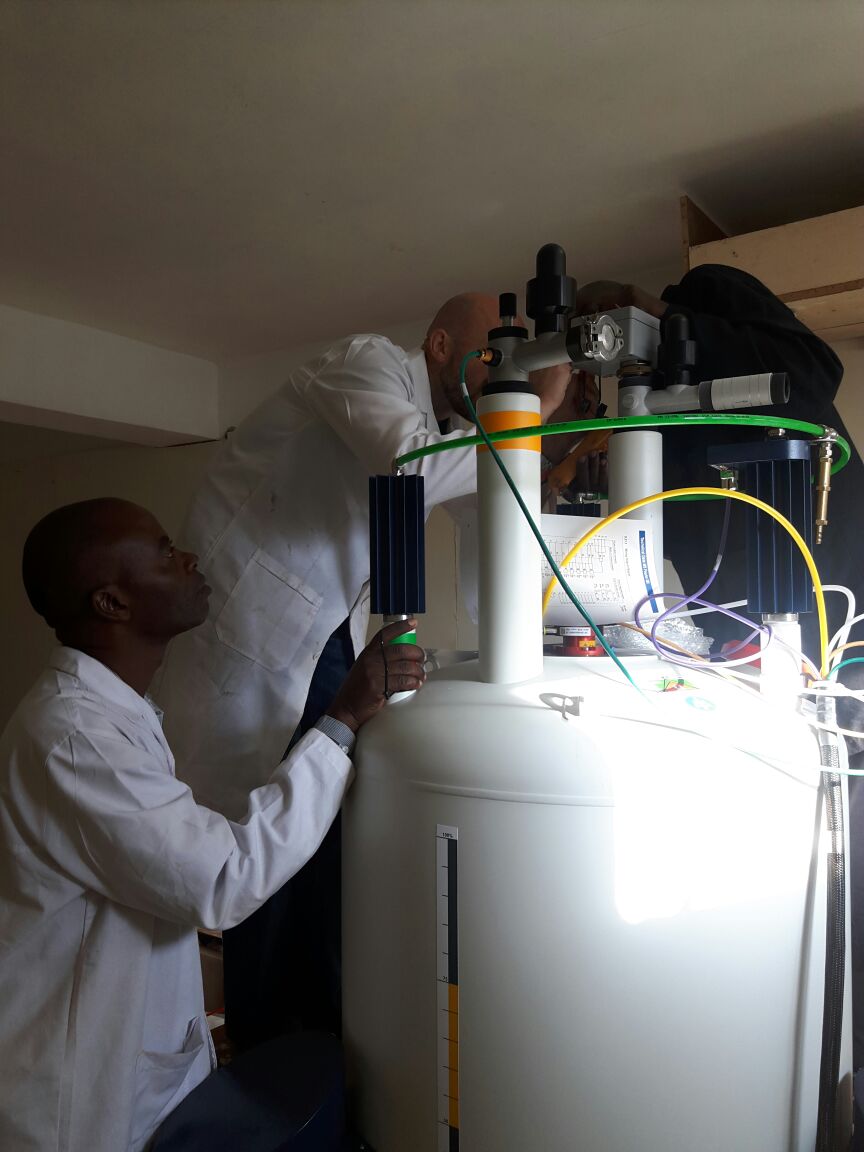 MMUST acquired the first ever Nuclear Magnetic Resonance (NMR) machine in Eastern and Central Africa. NMR is a modern spectroscopic analytical instrument used by researchers to determine the structure of organic substances present in living things and the environment. The Head of Department of Pure and Applied Chemistry Dr. Francis Orata said that “With this latest model of NMR machine, we have the capacity to tell the exact kind of substances that are present in medicinal plants, nutritive traditional vegetables, and other organic materials from living things. It is even possible for us to determine the exact poisonous substances such as aflatoxins in contaminated maize. And we as well can elucidate the compounds contained in genetically modified organisms (GMOs)”.
MMUST Scholar Rallies for Development Politics
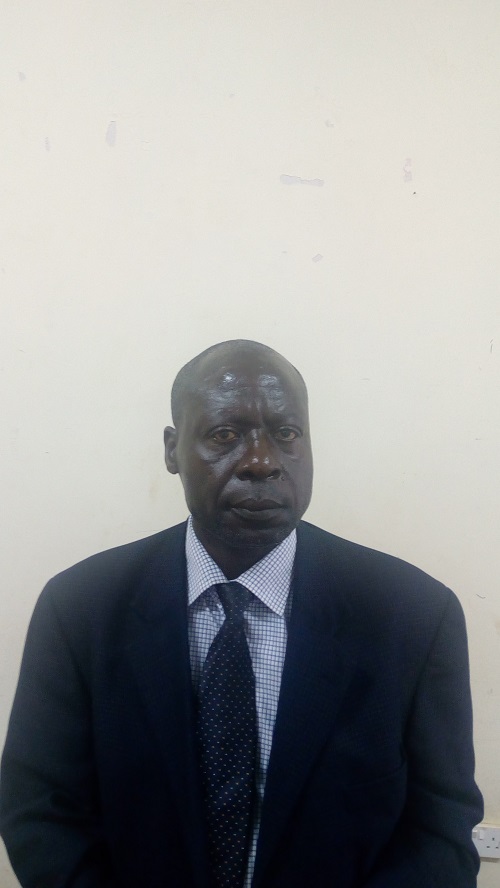 “African governments need to transform their political systems to embrace Development Politics”. This is the rallying call by the MMUST Scholar, Professor Frank K. Matanga, a Political Scientist in the School of Disaster Management & Humanitarian Assistance (SDMHA).
Prof. Matanga explained that Development Politics entails an appreciation of political values such as peace and security to enhance genuine sustainable development. In this case, peace is not just the absence of direct and physical violence; but more importantly, the absence of structural violence entailing social cohesion and justice. “Security is not just the absence of military threats to the state’s core national interests. It entails the absence of socio-economic and political threats to individuals and societies well-being and interests. For example, poverty and unemployment are aspects of insecurity” said Prof. Matanga.
The political scientist advised that universities need to develop academic programs that champion Development Politics. MMUST runs academic programmes that strengthen socio-political responsibility such as Diplomacy & International Relations, Peace & Conflict Studies, Sustainable Development, Social Work & Community Development, and Disaster Management. He said that the government needs to work in collaboration with universities in policy development and implementation.
“The Jubilee Big Four Agenda on manufacturing, universal healthcare, affordable housing, and food security, if properly implemented, can go a long way in supporting tenets of Development Politics in Kenya”said Prof. Matanga. He noted that there is urgent need to develop networks of research institutes that focus on promoting Development Politics. MMUST is keen on establishing such an institute.
HealthIT: The Driver to Revolutionize Health Information Systems in Health Sector in Kenya
SOCCER: MMUST FC in a Dramatic Comeback
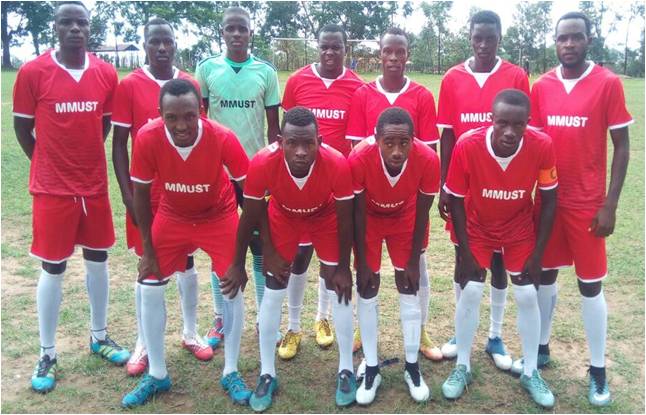 Competition for qualification to the Kenyan Premier League was hot on the afternoon of Sunday 18th March 2018. Tough battle in FKF National Division Two Western Zone League between MMUST FC and Bungoma All Stars yielded a 1:1 draw.
MMUST Scholar takes Leadership at Kenya Society for Sports Medicine
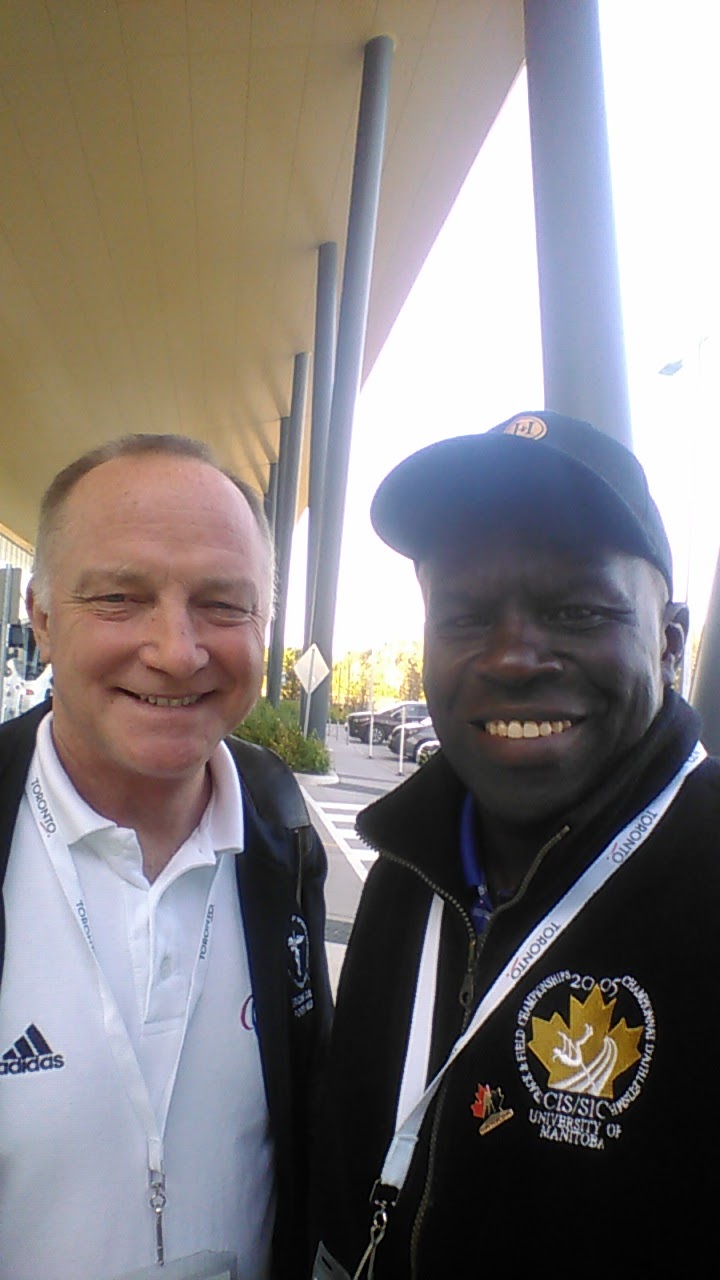 The Kenya Society for Sports Medicine (KSSM) has appointed Dr. Peter Bukhala of MMUST as Vice Chairman. Dr. Bukhala of the Department of Health Promotion and Sports Science has been instrumental in the formation of KSSM. This society includes a wide range of professionals such as medical doctors, physiotherapists, sports scientists, athletic trainers and coaches.
MMUST Scholar in the Fight against Cancer
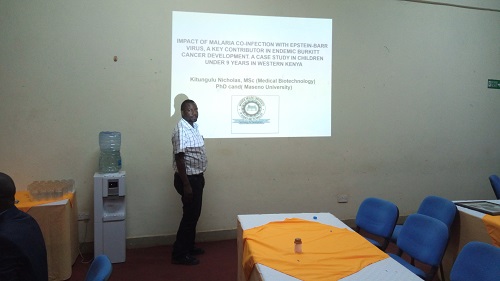 “There is a major killer of children and especially boys on the rise in western Kenya”. This is an alarm raised by the MMUST Medical Biotechnologist Nicholas Kitungulu during the MMUST Melting Pot Research Seminar series on 15th March 2018. An endemic cancer known as “Burkitt lymphoma”, which manifests in the form of fever, swollen glands, frequent or severe infections, shortness of breath or cough, chest pain, swollen stomach, extreme tiredness and weight loss, has been associated with over 70% of cancer-related child deaths in sub-Saharan Africa.
MMUST Short Courses Commence
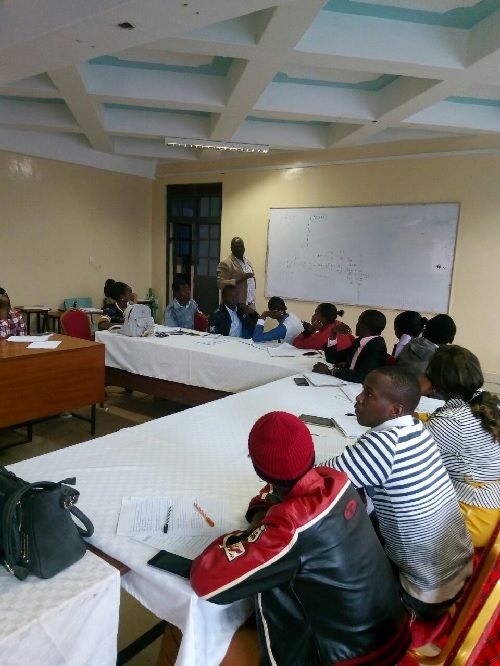 The growing demand for specific knowledge and skills prompted MMUST School of Open Learning and Continuing Education (SOLACE) to implement attractive short courses from 12th March 2018. SOLACE is now offering dynamic training programmes that can foster a culture of creative thinking and organizational change.
Connect with us
P. O. BOX 190-50100, Kakamega
-
dummy+254 702597360/1
733120020/2
-
dummy info@mmust.ac.ke